

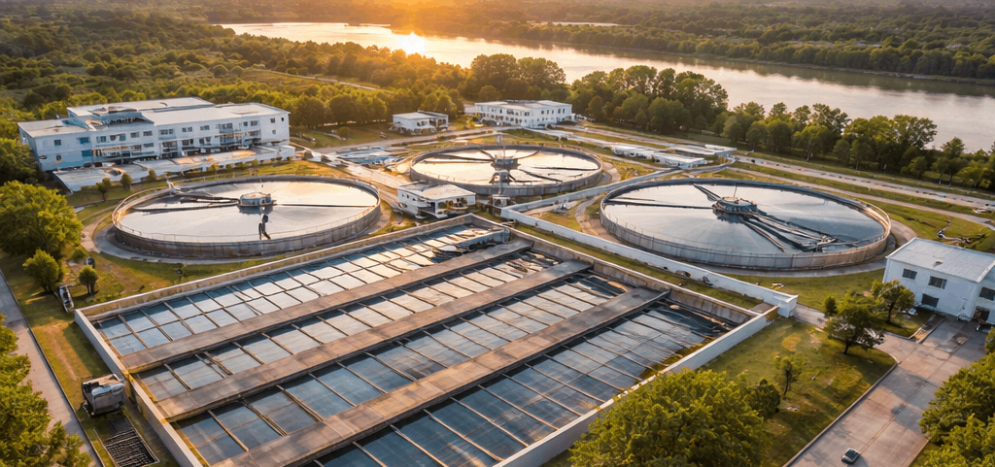
Clean and safe water is essential for human health, industrial activities, and environmental protection. A water treatment plant plays a critical role in making raw water suitable for drinking, domestic use, and industrial applications. In this article, we explain what a water treatment plant is and walk through the complete water treatment process step by step.
What Is a Water Treatment Plant?
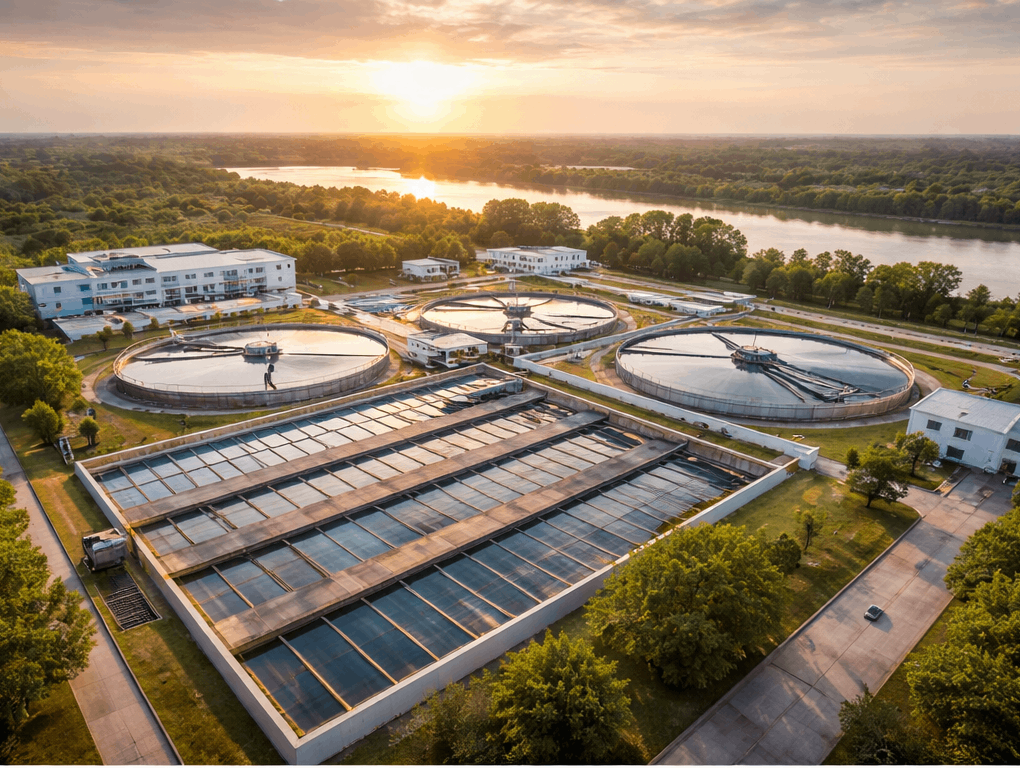
A water treatment plant is a facility designed to remove contaminants from raw water sources such as rivers, lakes, reservoirs, groundwater, or seawater. The goal is to produce water that meets regulatory standards for safety, quality, and taste.
Water treatment plants are commonly used for:
- Drinking water supply
- Industrial process water
- Boiler and cooling water
- Agricultural and irrigation purposes
The treatment process depends on the quality of the raw water and the intended use of the treated water.
Why Is Water Treatment Important?
Untreated water can contain:
- Suspended solids and sediments
- Harmful bacteria, viruses, and parasites
- Chemicals such as iron, arsenic, nitrates, and pesticides
- Salts and dissolved minerals
Water treatment protects public health, prevents waterborne diseases, improves water taste and appearance, and ensures compliance with environmental and safety standards.
Water Treatment Plant Process Explained
Although treatment methods may vary, most water treatment plants follow these core steps:
1. Intake and Screening
Raw water is collected from the source and passed through screens to remove large debris such as leaves, plastics, and stones. This protects downstream equipment from damage.
2. Coagulation and Flocculation
Chemicals known as coagulants (such as alum or ferric salts) are added to the water. These chemicals cause fine suspended particles to stick together, forming larger particles called flocs.
During flocculation, gentle mixing helps flocs grow larger and heavier, making them easier to remove.
3. Sedimentation (Clarification)
The water flows into sedimentation tanks where gravity allows the heavy flocs to settle at the bottom. This process removes a large portion of suspended solids and turbidity.
The settled sludge is collected and treated or disposed of separately.
4. Filtration
After sedimentation, the clarified water passes through filters to remove remaining fine particles and microorganisms. Common filtration systems include:
- Sand filters
- Multimedia filters
- Activated carbon filters
- Membrane filtration (UF, NF, RO)
Filtration improves water clarity, taste, and safety.
5. Disinfection
Disinfection eliminates harmful microorganisms that may remain after filtration. Common disinfection methods include:
- Chlorination
- Ultraviolet (UV) treatment
- Ozonation
This step ensures the water is microbiologically safe for consumption.
6. pH Adjustment and Conditioning
The treated water may be adjusted for:
- pH balance
- Mineral content
- Corrosion control
This helps protect pipelines, storage tanks, and plumbing systems.
7. Storage and Distribution
Finally, treated water is stored in clear water tanks or reservoirs before being distributed through pipelines to homes, businesses, and industries.
Types of Water Treatment Plants
Depending on the application, water treatment plants may include:
- Drinking water treatment plants
- Industrial water treatment plants
- Reverse osmosis (RO) plants
- Desalination plants
- Package water treatment plants
Each system is designed based on raw water quality and required output standards.