


Water treatment and wastewater treatment are both essential for protecting public health and the environment, but they serve very different purposes. Understanding the difference between water treatment and wastewater treatment helps individuals, industries, and organizations choose the right solutions for their needs.
This article explains the key differences in a simple and practical way.
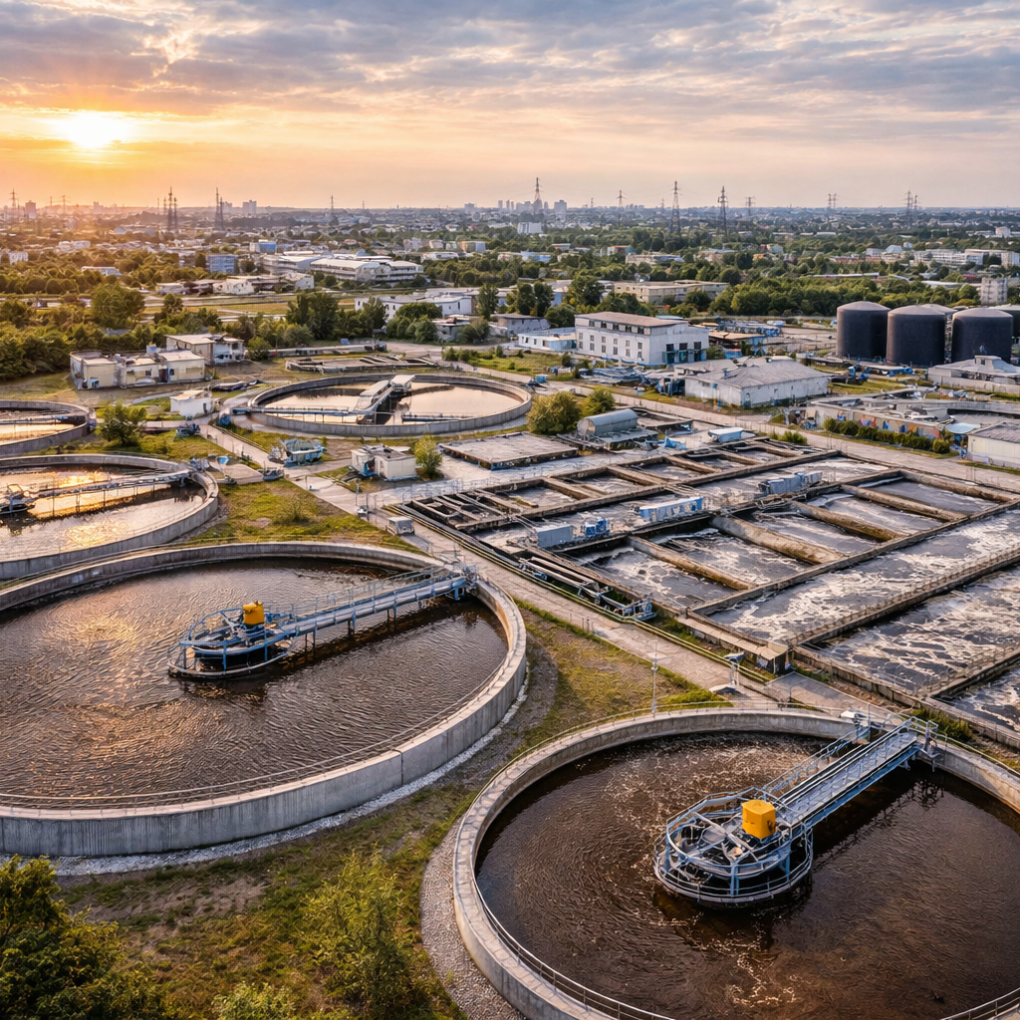
What Is Water Treatment?
Water treatment is the process of treating raw water from natural sources to make it safe for drinking, domestic use, or industrial applications.
Main Objectives of Water Treatment
- Remove physical, chemical, and biological contaminants
- Improve taste, color, and odor
- Ensure water meets drinking or process water standards
Common Water Sources
- Rivers and lakes
- Reservoirs
- Groundwater
- Rainwater
- Seawater (desalination)
Typical Water Treatment Processes
- Screening
- Coagulation and flocculation
- Sedimentation
- Filtration
- Disinfection
- pH adjustment and mineral conditioning
Water treatment focuses on producing clean and safe water for use.
What Is Wastewater Treatment?
Wastewater treatment is the process of treating used or contaminated water generated from homes, industries, hospitals, hotels, and commercial facilities before it is discharged or reused.
Main Objectives of Wastewater Treatment
- Remove pollutants and harmful substances
- Reduce organic load (BOD and COD)
- Protect the environment and water bodies
- Enable safe discharge or reuse
Common Wastewater Sources
- Domestic sewage
- Industrial effluent
- Commercial wastewater
- Stormwater runoff
Typical Wastewater Treatment Processes
- Preliminary treatment (screening, grit removal)
- Primary treatment (sedimentation, oil separation)
- Secondary (biological) treatment
- Tertiary (advanced) treatment
- Disinfection
- Sludge treatment and disposal
Wastewater treatment focuses on pollution control and environmental protection.