


Sri Lanka is at a critical juncture in managing its water resources. Rapid urbanization, climate change, increased industrial activity, and growing domestic demand are placing new pressures on water and wastewater systems. As such, the future of water and wastewater treatment in Sri Lanka is evolving toward smarter, greener, and more resilient solutions.
This article explores trends, technologies, and pathways that will shape Sri Lanka’s water future.
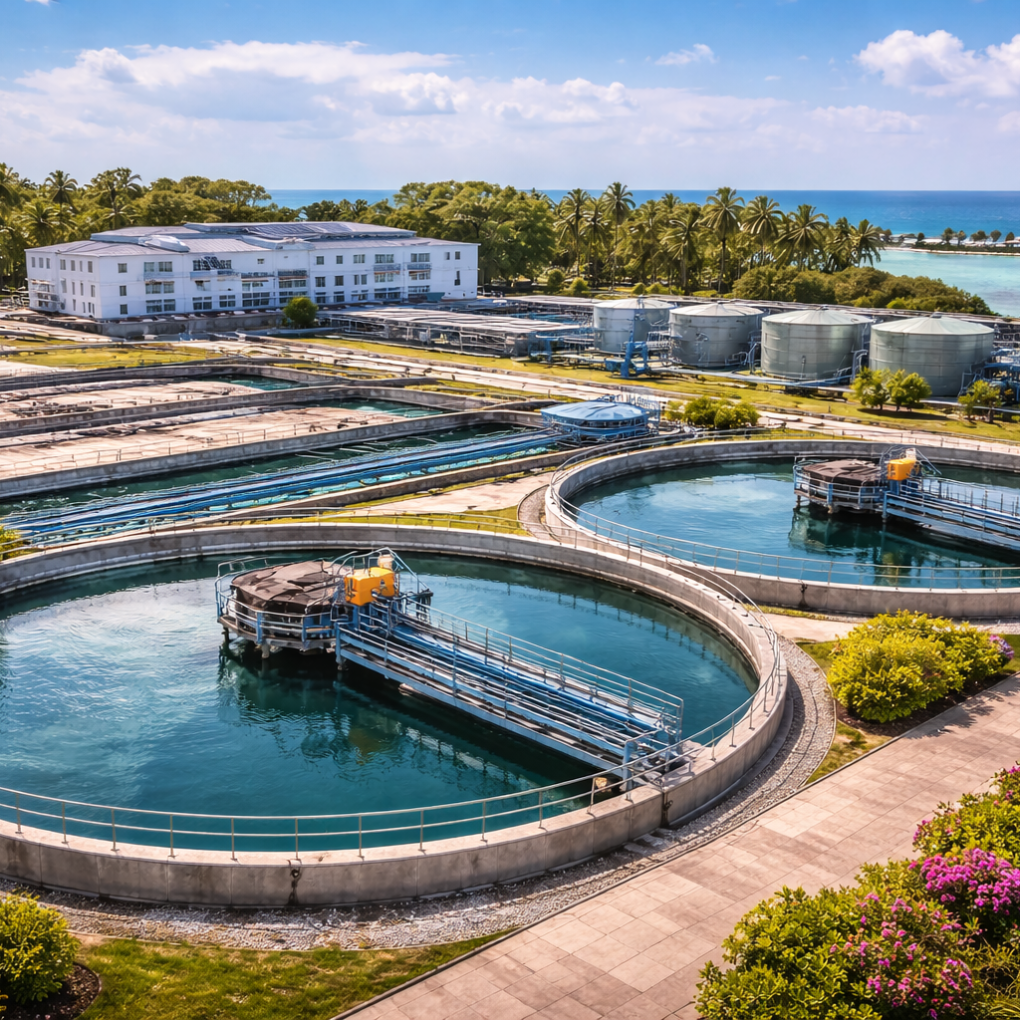
Sustainable & Integrated Water Management
Sri Lanka’s future water strategies will center on integrated water resource management (IWRM)—a framework that considers surface water, groundwater, wastewater, industry, agriculture, and ecosystems together.
Key directions include:
- Water reuse and recycling in urban areas
- Rainwater harvesting across communities and institutions
- Managed aquifer recharge to strengthen groundwater supplies
These systems will help Sri Lanka reduce freshwater withdrawals and enhance long-term availability.
Advanced Treatment Technologies
Traditional treatment systems will be complemented—and eventually replaced in many cases—by modern, high-efficiency technologies tailored to local needs.
🔹 Technologies on the Rise
- Membrane technologies (UF, NF, RO) for cleaner potable and reuse water
- Membrane Bioreactors (MBR) for compact, high-quality wastewater treatment
- Anammox and advanced nutrient removal for industrial wastewater
- Decentralized treatment units for rural and island communities
These technologies use less land, consume less energy, and deliver superior performance compared to conventional systems.
Digitalization & Smart Water Systems
The future of water treatment in Sri Lanka will harness digital technologies for improved performance and decision-making:
- SCADA/PLC automation for remote monitoring and control
- IoT sensors for real-time water quality measurement
- Predictive analytics to anticipate plant maintenance needs
- Mobile apps for field teams and customer notifications
Smart optimization reduces downtime, cuts costs, and improves environmental compliance.
Circular Economy & Water Reuse
Water scarcity and cost pressures are driving Sri Lanka toward a circular water economy:
- Treated wastewater reused for irrigation and landscaping
- Sludge valorization into energy (biogas) or fertilizer
- Process water recycling in industry and hospitality
These practices conserve freshwater and turn wastewater into an asset rather than a liability.
Nature-Based Solutions
Alongside engineered treatment systems, nature-based solutions are gaining traction:
- Constructed wetlands for decentralized wastewater treatment
- Green infrastructure for stormwater management
- Riparian buffer zones to protect river ecosystems
These approaches improve water quality while enhancing biodiversity and aesthetic value.
Policy & Regulation Advancements
Sri Lanka’s regulatory framework will play a critical role in shaping the future:
- Strengthened environmental discharge standards
- Incentives for reuse and water-efficient technologies
- Frameworks for public-private partnerships (PPPs)
- Mandatory monitoring and reporting
Clear policies will encourage investment and innovation across sectors.
Sectoral Adoption & Decentralization
Different sectors are expected to adopt tailored water systems:
- Hotels & resorts: on-site wastewater treatment and reuse
- Industries: ZLD (Zero Liquid Discharge) and advanced pretreatment
- Residential communities: compact decentralized plants
- Agriculture: precision irrigation and recycled water supply
Decentralized plants reduce the burden on central infrastructure and deliver local resilience.
Challenges Ahead
While the outlook is promising, Sri Lanka still faces challenges:
- Funding constraints for large infrastructure
- Skills gap in advanced water technologies
- Seasonal water scarcity and drought risk
- Informal settlements without proper sewage connectivity
Addressing these will require coordinated policy, investment, and community engagement.
Looking Forward: What to Expect by 2035
By the mid-2030s, Sri Lanka’s water landscape will likely include:
✔ A mix of centralized and decentralized water/wastewater systems
✔ Expanded reuse and recycling practices nationwide
✔ Smart water networks with real-time data and automation
✔ Greater collaboration between government, private sector, and communities
✔ A shift toward sustainable, low-carbon water infrastructure