

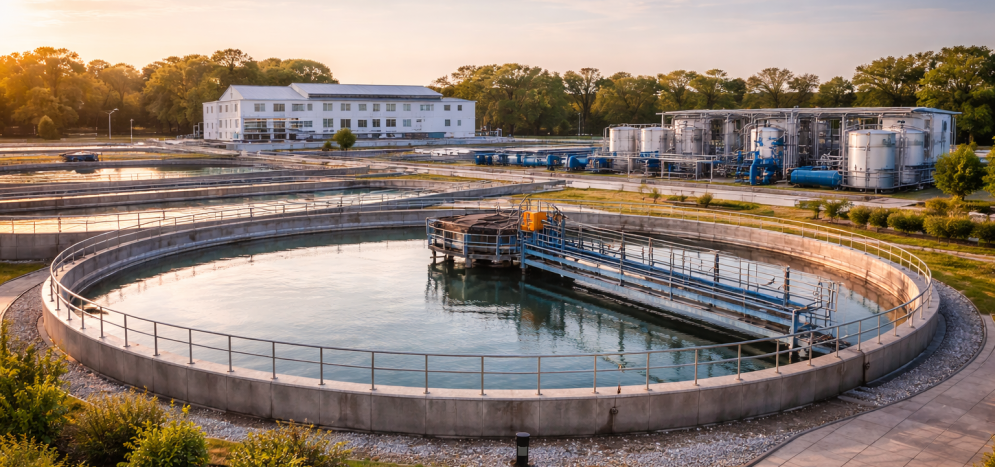
Manufacturing plants generate wastewater from production processes, equipment cleaning, cooling systems, and utility operations. This wastewater often contains chemicals, oils, heavy metals, suspended solids, and high organic loads. Implementing effective wastewater management solutions for manufacturing plants is essential to ensure regulatory compliance, environmental protection, and operational efficiency.
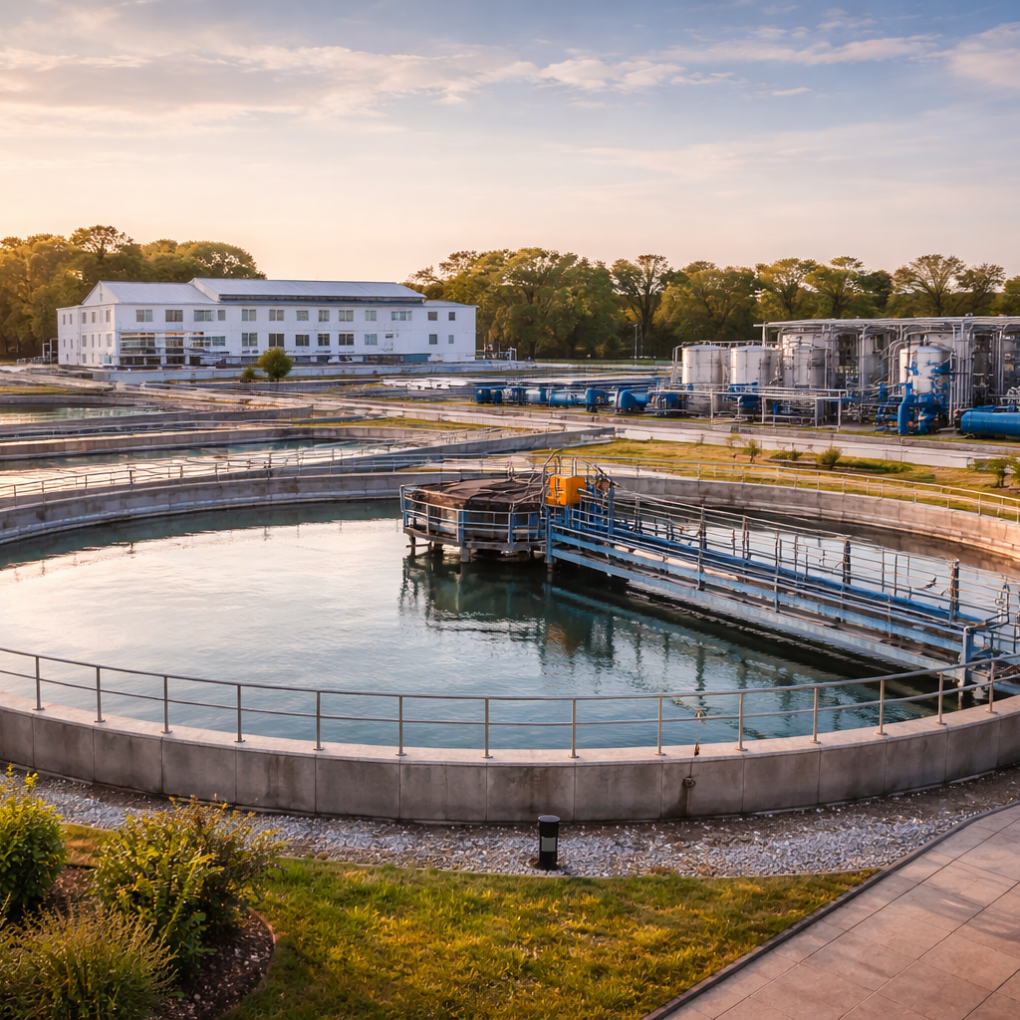
Why Wastewater Management Is Important for Manufacturing Plants
Poor wastewater management can lead to:
- Environmental pollution
- Regulatory penalties
- Production downtime
- High water and energy costs
- Damage to corporate reputation
A well-designed wastewater management system helps manufacturers reduce risks, lower operating costs, and improve sustainability performance.
Key Components of Wastewater Management Solutions
1. Wastewater Characterization and Segregation
Best Practices:
- Conduct regular wastewater analysis
- Identify high-strength and toxic streams
- Segregate process wastewater from domestic and stormwater
- Isolate oil-rich or chemical-heavy streams
Segregation improves treatment efficiency and reduces costs.
2. Source Reduction and Process Optimization
Solutions Include:
- Minimizing raw material losses
- Optimizing cleaning and rinsing processes
- Reusing rinse water where possible
- Implementing water-efficient equipment
Reducing wastewater at the source is the most cost-effective solution.
3. Preliminary and Primary Treatment Systems
Common Solutions:
- Screening and grit removal
- Oil and grease separators
- Neutralization tanks for pH control
- Dissolved Air Flotation (DAF) systems
- Primary sedimentation tanks
These systems protect biological treatment processes and reduce pollutant loads.
4. Biological Treatment Solutions
Widely Used Technologies:
- Activated sludge systems
- Sequencing Batch Reactors (SBR)
- Moving Bed Biofilm Reactors (MBBR)
- Membrane Bioreactors (MBR)
- Anaerobic treatment for high-strength wastewater
Biological treatment is essential for reducing BOD and COD levels.
5. Advanced and Tertiary Treatment Solutions
Applications:
- Fine solids removal
- Color and odor removal
- Nutrient reduction
- Water reuse and recycling
Technologies Include:
- Sand and multimedia filters
- Activated carbon filters
- Ultrafiltration (UF)
- Reverse Osmosis (RO)
- Advanced oxidation processes (AOP)
6. Sludge Treatment and Disposal
Solutions Include:
- Sludge thickening
- Mechanical dewatering (filter press, belt press, centrifuge)
- Drying beds
- Licensed disposal or reuse
Proper sludge management is critical for regulatory compliance.
Industry-Specific Wastewater Solutions
Different manufacturing sectors require customized approaches:
- Textile and apparel plants
- Food and beverage industries
- Chemical and pharmaceutical manufacturing
- Metal finishing and electroplating
- Rubber and plastic industries
Tailored solutions ensure efficiency and long-term reliability.
Water Reuse and Zero Liquid Discharge (ZLD)
Advanced wastewater management solutions enable:
- Process water reuse
- Cooling tower makeup reuse
- Boiler feed water after RO
- Zero Liquid Discharge (ZLD) systems
ZLD reduces freshwater intake and eliminates wastewater discharge.
Automation and Monitoring
Modern wastewater plants benefit from:
- PLC-based control systems
- Online monitoring of pH, flow, BOD, COD
- Remote monitoring and alarms
- Predictive maintenance systems
Automation improves performance and reduces human error.
Choosing the Right Wastewater Management Partner
Select a solution provider with:
- Proven industrial experience
- Local technical support
- Custom design capabilities
- Strong after-sales service
- Compliance knowledge