

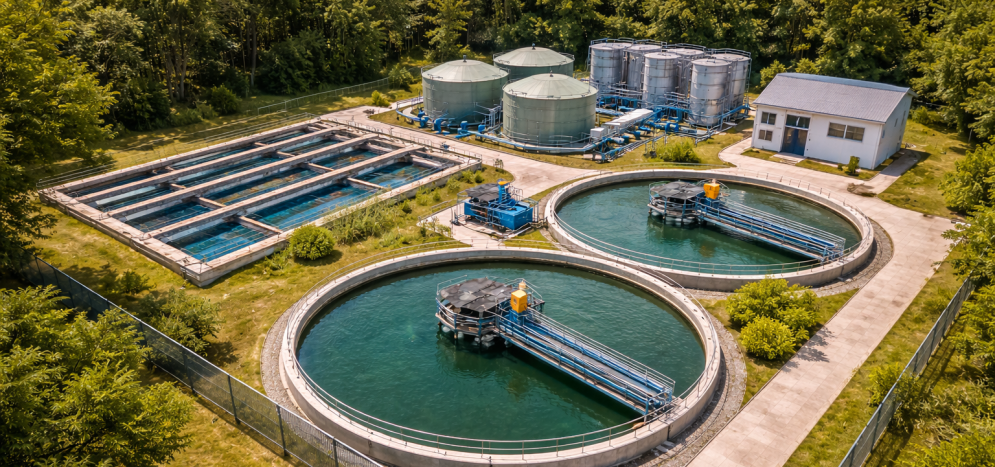
Wastewater treatment plants play a vital role in protecting public health, water resources, and the environment. They treat wastewater generated from homes, industries, and commercial facilities before safely discharging it back into the environment or reusing it. This article explains how wastewater treatment plants work, step by step.
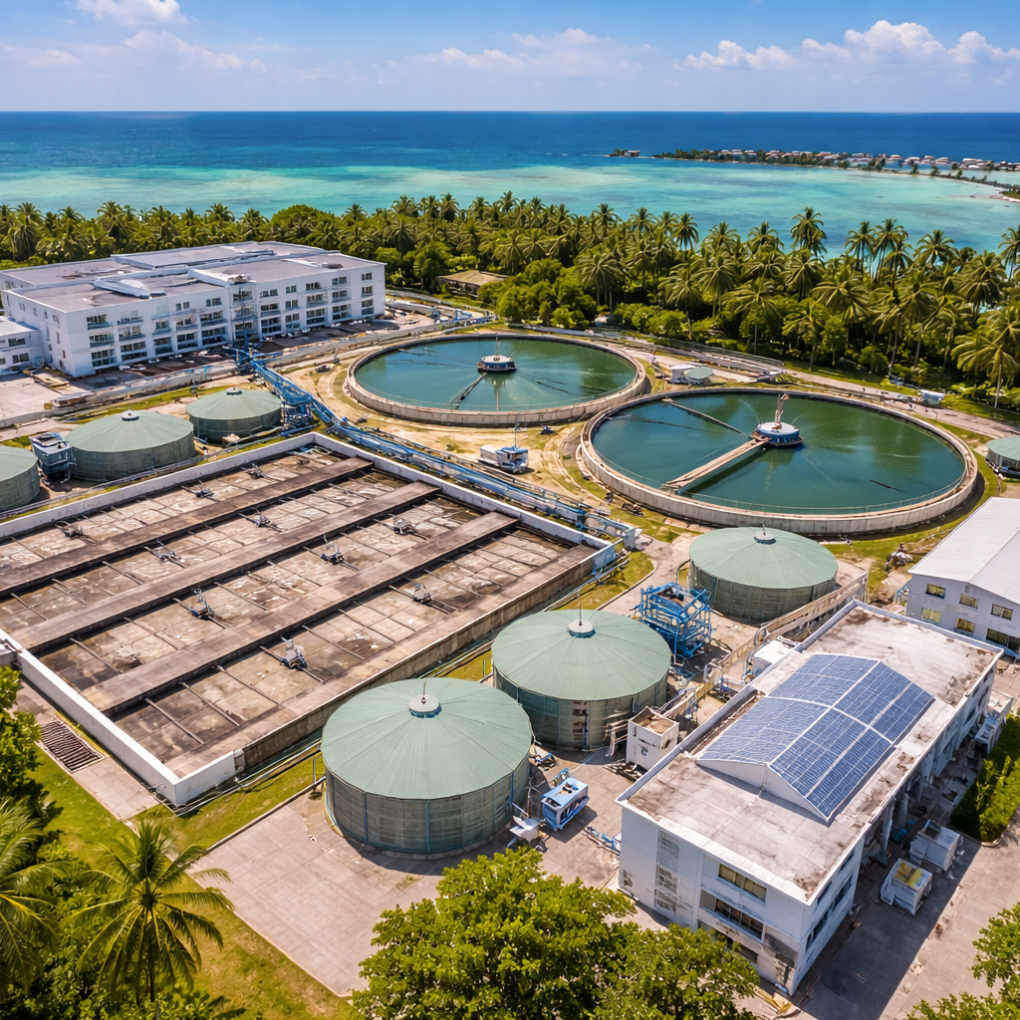
What Is a Wastewater Treatment Plant?
A wastewater treatment plant (WWTP) is a facility designed to remove physical, chemical, and biological contaminants from wastewater. The goal is to reduce pollutants to safe levels before the treated water is released into rivers, lakes, oceans, or reused for non-potable purposes.
Types of Wastewater Treated
Wastewater treatment plants typically handle:
- Domestic sewage
- Industrial wastewater
- Commercial and institutional wastewater
- Stormwater (in combined systems)
Each type of wastewater may require different treatment methods.
How Wastewater Treatment Plants Work: Step-by-Step
1. Wastewater Collection and Inlet Works
Wastewater is collected through sewer networks and pumped into the treatment plant. At the inlet, the flow is regulated and directed to the treatment units.
2. Preliminary Treatment
This initial stage removes large and heavy materials that could damage equipment.
Processes include:
- Bar screening to remove plastics, rags, and debris
- Grit removal to eliminate sand and stones
- Oil and grease traps
Preliminary treatment protects downstream processes.
3. Primary Treatment
Primary treatment removes settleable and floatable solids.
How it works:
- Wastewater flows into primary clarifiers
- Heavy solids settle as sludge
- Lighter materials float and are skimmed off
This stage significantly reduces suspended solids and organic load.
4. Secondary (Biological) Treatment
This is the core treatment stage where microorganisms break down organic pollutants.
Common systems include:
- Activated sludge process
- Sequencing Batch Reactors (SBR)
- Moving Bed Biofilm Reactors (MBBR)
- Membrane Bioreactors (MBR)
Air is supplied to support bacterial growth, converting organic matter into stable byproducts.
5. Secondary Clarification
After biological treatment, water enters secondary clarifiers where biological solids settle. Some sludge is recycled back to maintain microbial activity, while excess sludge is removed for treatment.
6. Tertiary (Advanced) Treatment
Tertiary treatment improves effluent quality when stricter standards or reuse is required.
Processes may include:
- Sand or multimedia filtration
- Activated carbon filtration
- Nutrient removal (nitrogen and phosphorus)
- Membrane filtration (UF, NF, RO)
7. Disinfection
Disinfection eliminates harmful pathogens before discharge or reuse.
Methods include:
- Chlorination
- Ultraviolet (UV) disinfection
- Ozonation
This step ensures treated water is safe for the environment.
8. Sludge Treatment and Disposal
Sludge collected during treatment is thickened, dewatered, and safely disposed of or reused (e.g., composting or energy recovery).
Where Does Treated Water Go?
After treatment, water may be:
- Discharged into rivers, lakes, or the sea
- Used for irrigation and landscaping
- Reused in industrial processes
- Stored for groundwater recharge (where permitted)
Benefits of Wastewater Treatment Plants
Wastewater treatment plants:
- Prevent water pollution
- Protect public health
- Support water reuse and conservation
- Help industries meet environmental regulations
- Promote sustainable development