

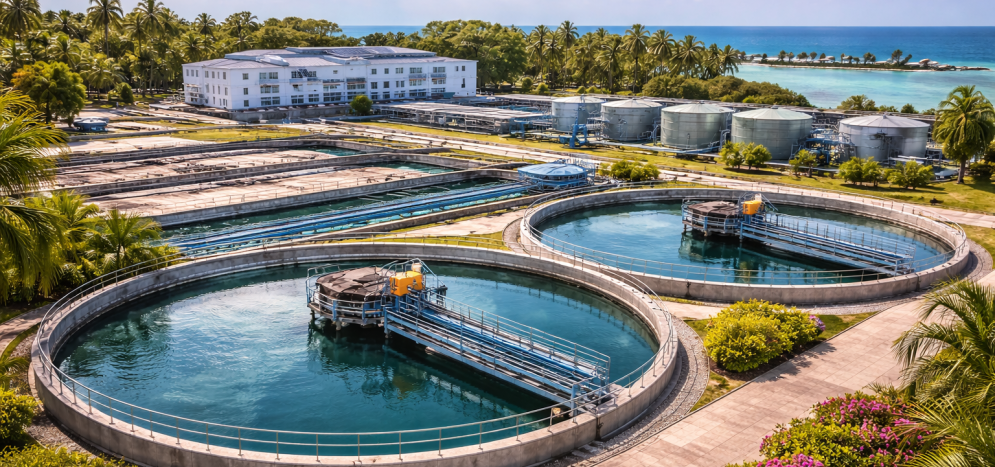
Industrial activities generate wastewater containing oils, chemicals, suspended solids, heavy metals, and organic pollutants. Without proper treatment, this wastewater can harm the environment and violate regulatory standards. Understanding the wastewater treatment stages for industrial plants is essential for compliance, cost control, and sustainable operations.
This article explains each stage of the industrial wastewater treatment process in a simple, step-by-step manner.
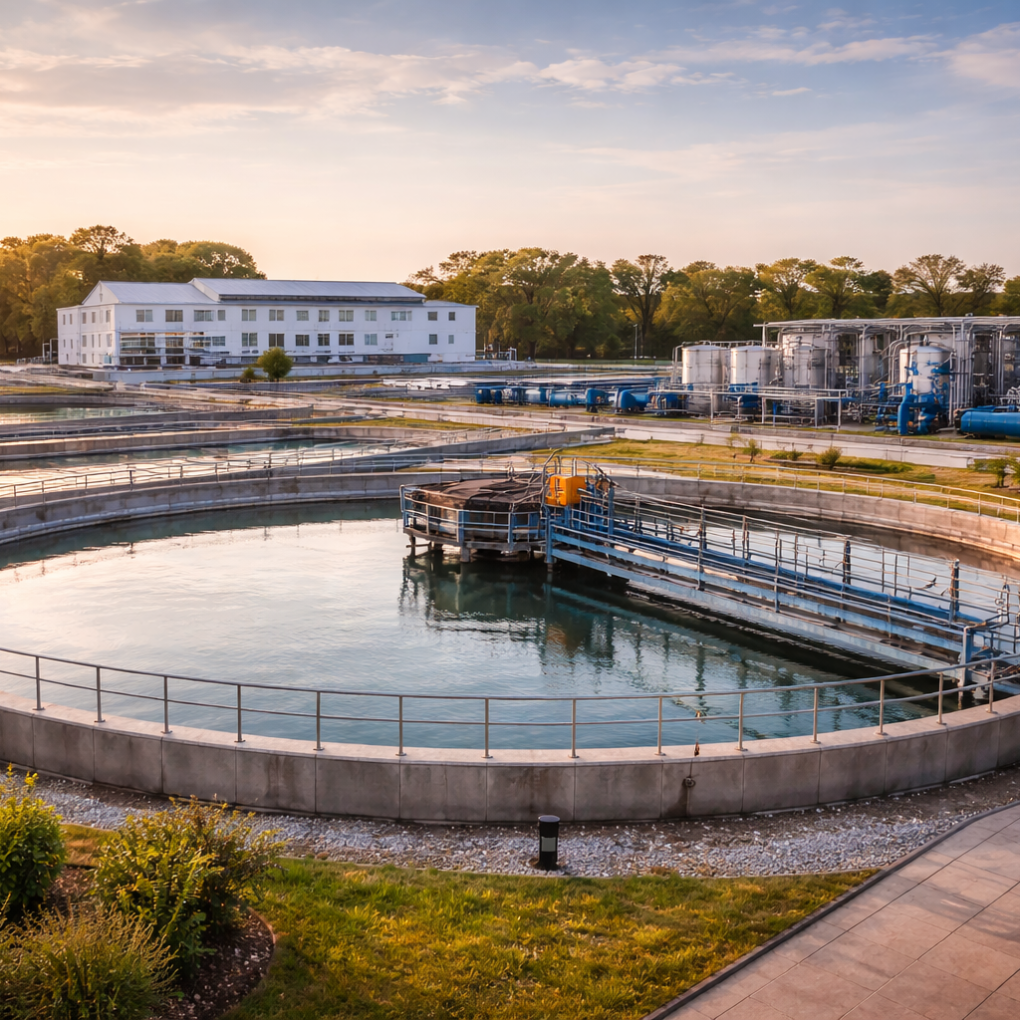
Why Wastewater Treatment Is Important for Industrial Plants
Industrial wastewater treatment helps to:
- Meet environmental discharge regulations
- Protect surface and groundwater sources
- Enable water reuse and recycling
- Reduce operational and environmental risks
- Support sustainable industrial growth
Each industrial plant requires a customized treatment system based on wastewater characteristics.
Key Stages of Industrial Wastewater Treatment
1. Preliminary Treatment
This is the first line of defense in wastewater treatment.
Purpose:
- Remove large solids and debris
- Protect downstream equipment
Common Processes:
- Bar screens
- Grit chambers
- Oil and grease traps
- Equalization tanks
Preliminary treatment ensures smooth operation of the entire plant.
2. Primary Treatment
Primary treatment focuses on removing settleable and floatable solids.
Purpose:
- Reduce suspended solids
- Lower organic load
Common Processes:
- Primary clarifiers
- Sedimentation tanks
- Dissolved Air Flotation (DAF) systems (especially for oily wastewater)
This stage can remove up to 60% of suspended solids.
3. Secondary (Biological) Treatment
Secondary treatment removes dissolved and biodegradable organic matter using microorganisms.
Purpose:
- Reduce BOD and COD levels
- Break down organic pollutants
Common Technologies:
- Activated sludge process
- Sequencing Batch Reactors (SBR)
- Moving Bed Biofilm Reactors (MBBR)
- Membrane Bioreactors (MBR)
- Aerated lagoons
This stage is critical for meeting discharge standards.
4. Tertiary (Advanced) Treatment
Tertiary treatment polishes the effluent to meet stricter environmental or reuse standards.
Purpose:
- Remove remaining nutrients, color, and fine particles
- Improve water quality for reuse
Common Processes:
- Sand and multimedia filtration
- Activated carbon filtration
- Nutrient removal (nitrogen and phosphorus)
- Membrane filtration (UF, NF, RO)
Tertiary treatment is often required for zero liquid discharge (ZLD) or water reuse systems.
5. Disinfection
Disinfection eliminates harmful microorganisms before discharge or reuse.
Common Methods:
- Chlorination
- Ultraviolet (UV) disinfection
- Ozonation
This stage ensures treated wastewater is microbiologically safe.
6. Sludge Treatment and Disposal
Sludge generated during treatment must be properly managed.
Processes Include:
- Sludge thickening
- Dewatering (filter press, belt press, centrifuge)
- Drying beds
- Safe disposal or reuse
Effective sludge management reduces waste volume and operating costs.
Specialized Treatment for Industrial Wastewater
Depending on industry type, additional processes may be required:
- Chemical precipitation for heavy metals
- Neutralization systems for pH control
- Oil-water separation units
- Thermal or advanced oxidation processes
- ANAMMOX systems for high-ammonia wastewater