

Selecting the right water treatment facility is a critical decision that affects water quality, operational efficiency, compliance, and long-term costs. Whether for drinking water, industrial use, or wastewater management, the right facility ensures reliable performance and sustainable water management. This guide explains the key factors to consider when choosing a water treatment facility.
Understand Your Water Source
The first step is to analyze the raw water source. Different water sources require different treatment technologies.
Common water sources include:
- Surface water (rivers, lakes, reservoirs)
- Groundwater (wells and boreholes)
- Brackish or seawater
- Industrial wastewater or sewage
A detailed water quality analysis will identify contaminants such as turbidity, hardness, salinity, bacteria, heavy metals, and chemicals.
Define Water Quality Requirements
Clearly identify the intended use of treated water, as this determines treatment standards.
Examples:
- Drinking water (strict health standards)
- Industrial process water
- Boiler and cooling water
- Irrigation and reuse applications
Understanding regulatory requirements and quality targets helps in selecting the correct treatment processes.
Choose the Appropriate Treatment Technology
Different contaminants require different treatment methods. A reliable water treatment facility may include:
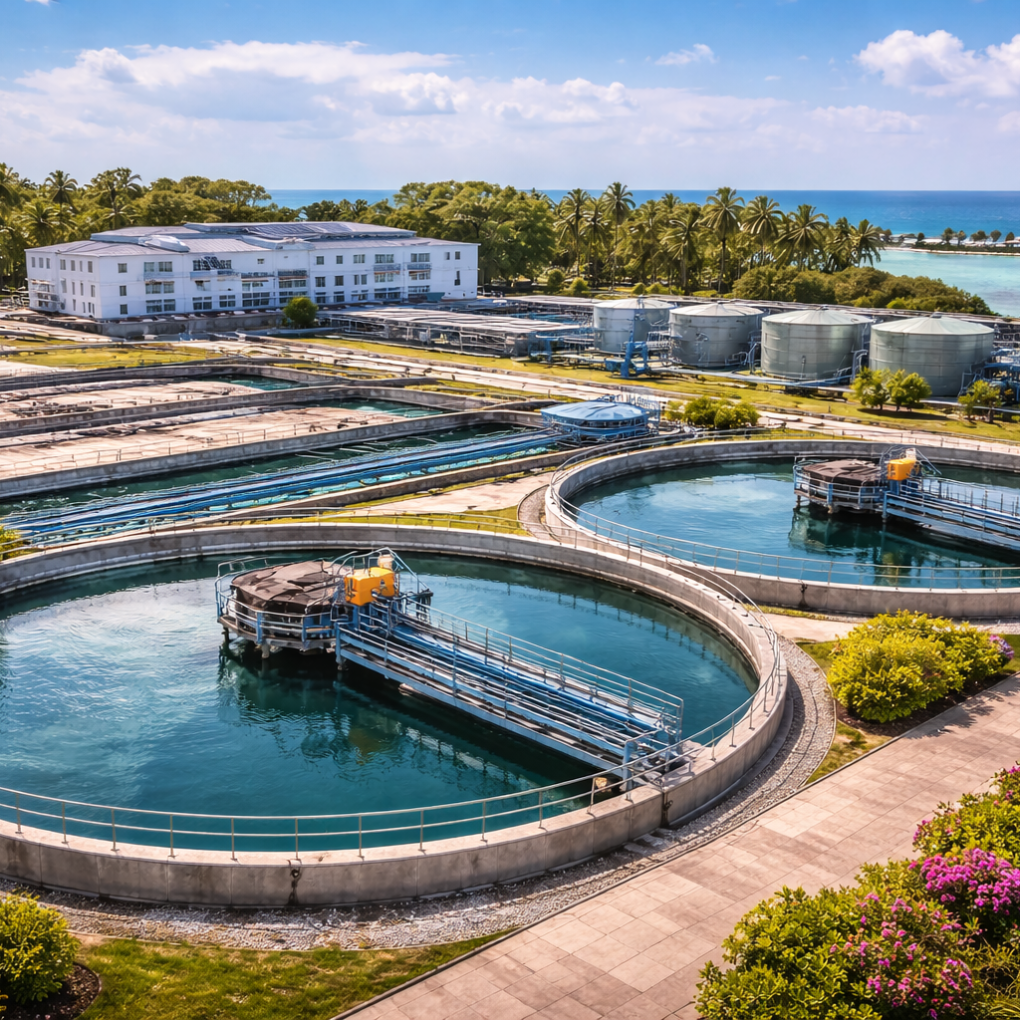
- Screening and sedimentation systems
- Coagulation and flocculation units
- Filtration systems (sand, multimedia, carbon)
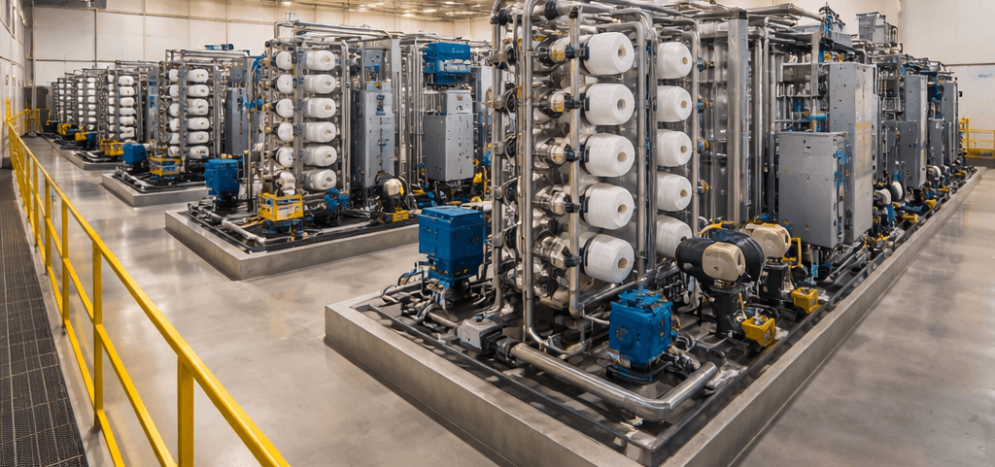
- Membrane systems (UF, NF, RO)
- Disinfection systems (chlorine, UV, ozone)
Selecting proven and scalable technologies ensures consistent performance.
Consider Capacity and Future Expansion
The facility should be designed to meet:
- Current water demand
- Peak usage conditions
- Future expansion requirements
Undersized systems lead to operational issues, while oversized systems increase unnecessary capital costs.
Evaluate Energy Efficiency and Operating Costs
Operating costs play a major role in long-term performance. Consider:
- Energy consumption
- Chemical usage
- Maintenance requirements
- Skilled labor availability
Energy-efficient equipment and automation can significantly reduce lifecycle costs.
Compliance with Local Regulations
Ensure the facility complies with:
- National drinking water standards
- Environmental discharge regulations
- Industrial wastewater guidelines
Regulatory compliance avoids legal risks and ensures sustainable operation.
Automation and Control Systems
Modern water treatment facilities benefit from:
- PLC-based automation
- Remote monitoring
- Alarm and safety systems
Automation improves reliability, reduces human error, and enables efficient plant management.
Space Availability and Site Conditions
The available space and site layout influence plant design. Consider:
- Footprint limitations
- Accessibility for maintenance
- Environmental conditions
Compact or modular treatment plants may be ideal for limited spaces.
Reliability of the Technology Provider
Choose a water treatment provider with:
- Proven industry experience
- Local service and technical support
- Reliable after-sales maintenance
- Custom-designed solutions
A trusted provider ensures long-term plant reliability and performance.
Budget and Lifecycle Cost Analysis
Look beyond initial investment and evaluate:
- Capital expenditure (CAPEX)
- Operating expenditure (OPEX)
- Equipment lifespan
- Upgrade and replacement costs
A lifecycle cost approach delivers better value over time.