

Sri Lanka relies on rivers, reservoirs, groundwater, and rainwater as primary water sources for domestic, industrial, and agricultural use. To ensure this water is safe and meets quality standards, it must pass through a carefully designed water treatment process. This guide explains the water treatment process in Sri Lanka, step by step, in a clear and practical way.
Why Water Treatment Is Important in Sri Lanka
Due to factors such as:
- Seasonal rainfall variations
- Surface water pollution
- Industrial discharge
- Agricultural runoff
- Salinity intrusion in coastal areas
raw water in Sri Lanka often contains sediments, bacteria, chemicals, and dissolved salts. Proper water treatment is essential to protect public health, prevent waterborne diseases, and support sustainable development.
Common Water Sources in Sri Lanka
Water treatment plants in Sri Lanka typically treat water from:
- Rivers (Kelani, Mahaweli, Kalu, Nilwala, etc.)
- Reservoirs and tanks
- Groundwater wells
- Brackish or seawater (especially in coastal and island areas)
The treatment process varies slightly depending on the source, but the core steps remain the same.
Step-by-Step Water Treatment Process in Sri Lanka
Step 1: Raw Water Intake and Screening
Raw water is collected from the source and passed through coarse and fine screens. These screens remove large debris such as leaves, plastics, sticks, and stones, protecting pumps and treatment equipment.
Step 2: Aeration (Where Required)
In some Sri Lankan water treatment plants, aeration is used to:
- Remove unpleasant odors
- Oxidize iron and manganese
- Improve water taste
Aeration introduces air into the water, helping release dissolved gases.
Step 3: Coagulation
Chemical coagulants such as alum (aluminium sulfate) or ferric salts are added to the water. These chemicals neutralize the electrical charges of fine particles, allowing them to combine.
Step 4: Flocculation
The water is gently mixed so that small particles form larger clusters called flocs. This step is carefully controlled to ensure effective particle growth without breaking the flocs.
Step 5: Sedimentation (Clarification)
The water flows into sedimentation tanks where heavy flocs settle at the bottom due to gravity. This process removes most of the suspended solids and turbidity.
The settled sludge is collected for further treatment or safe disposal.
Step 6: Filtration
After sedimentation, water passes through filtration systems to remove remaining fine particles and microorganisms. Common filtration methods used in Sri Lanka include:
- Rapid sand filters
- Multimedia filters
- Activated carbon filters
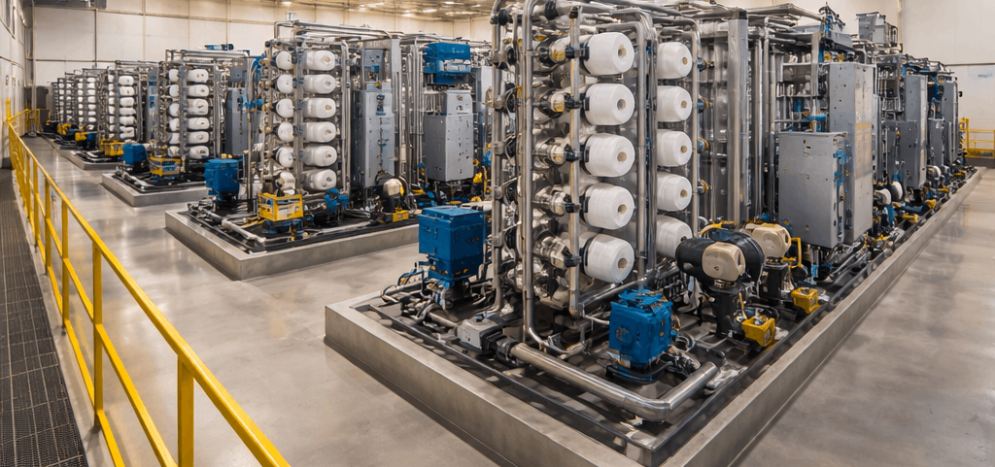
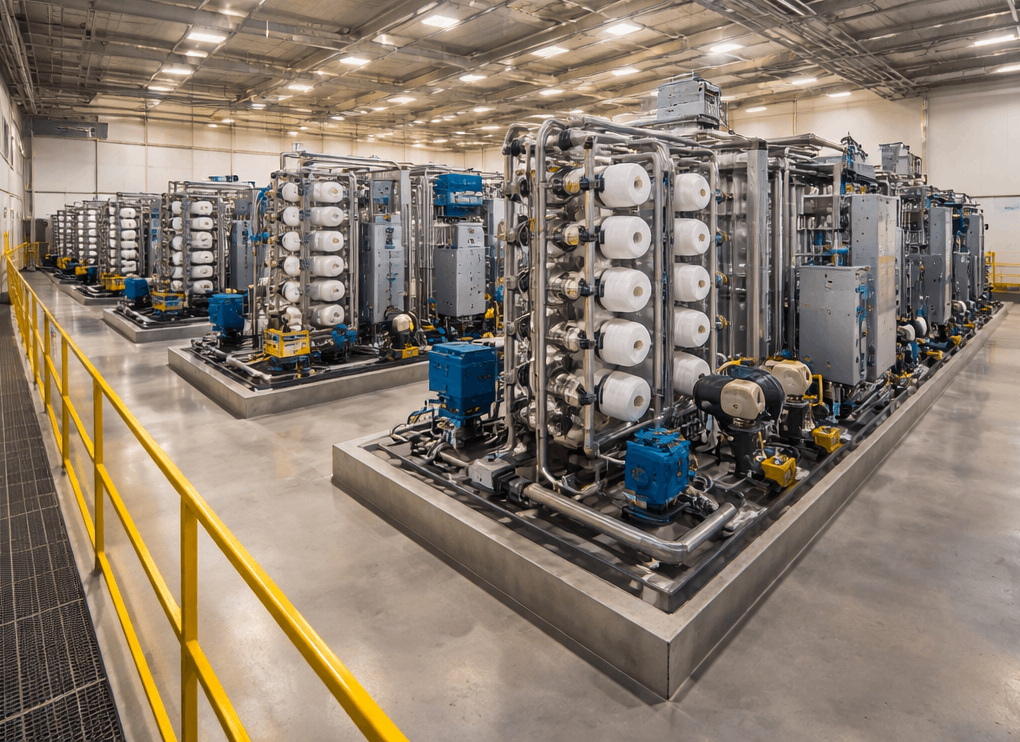
- Membrane filtration (UF, NF, RO) for advanced treatment
Step 7: Disinfection
Disinfection is a critical step to eliminate harmful bacteria, viruses, and parasites. The most commonly used disinfection method in Sri Lanka is chlorination, while UV and ozone systems are also used in modern plants.
Step 8: pH Adjustment and Water Conditioning
The treated water may be chemically adjusted to:
- Maintain safe pH levels
- Prevent corrosion in pipelines
- Improve overall water stability
Step 9: Storage and Distribution
Treated water is stored in clear water tanks or reservoirs before being distributed through pipelines to households, industries, and commercial facilities across Sri Lanka.
Advanced Water Treatment Technologies in Sri Lanka
In areas with challenging water quality, additional processes may be used:
- Reverse osmosis (RO) plants for brackish water
- Desalination plants in coastal regions
- Package water treatment plants for rural or remote locations
- Rainwater harvesting systems with filtration